The Group Chat That Became a Studio
It started as a place to share work-in-progress screenshots. Someone would post a half-finished illustration at 11pm and three people would respond with actual useful feedback instead of just fire emojis. That was the thing — the feedback was real.
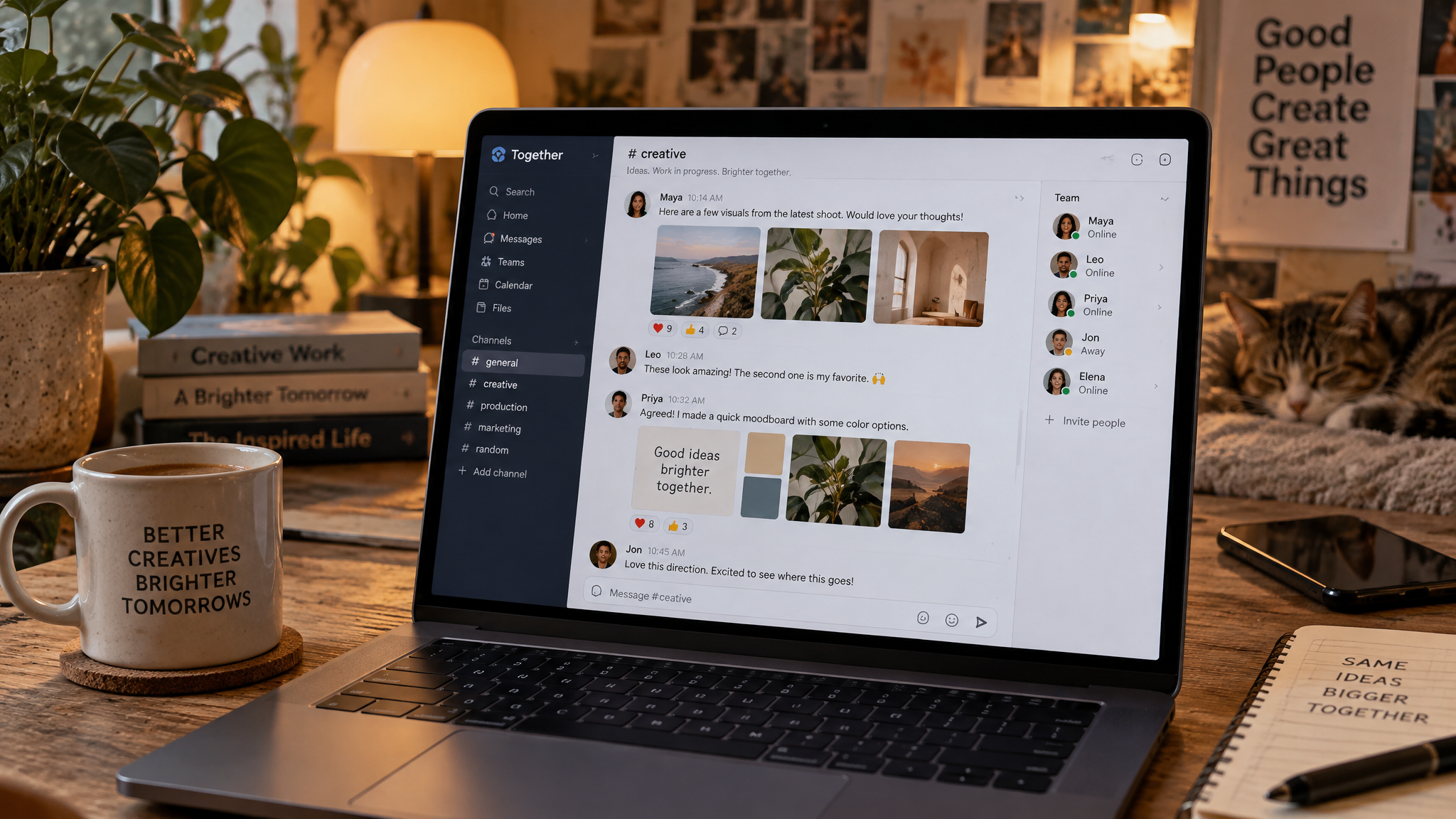
Two years later it's basically a studio. We have a shared folder, a rotating critique schedule, a running document of resources, and a group of people who know each other's work well enough to say "this doesn't sound like you" and be right. That's not nothing. That's actually kind of everything.
How It Happened Without Anyone Planning It
Nobody decided to build a creative collective. We were just people who liked each other's work and kept talking. The structure emerged from the conversations — someone suggested a monthly critique, someone else set up the shared folder, someone started keeping notes on what we were all working on.
The thing about organic structure is that it fits the actual people involved. A formal collective with bylaws and membership criteria would have been a different thing — maybe more legible from the outside, definitely more fragile from the inside.
The Calitoy approach to community has always been about letting things develop rather than forcing them into a predetermined shape. That philosophy shows up in how the network grows.
The Dysfunction Part
I said magic and dysfunction and I meant both. There are weeks where the chat is dead and everyone's in their own head. There are people who drift in and out — present for a month, gone for three, back again. There are creative differences that don't get resolved, just navigated around.
The women building things conversation has a lot of material on this — how creative communities handle the interpersonal stuff that nobody wants to talk about but everyone experiences.
What Makes It Work
Low stakes. Nobody's livelihood depends on this group. Nobody's reputation is on the line. We're sharing work because we want to, not because we have to. That changes the quality of the feedback and the quality of the relationships.
The youth culture version of this is the band that forms in someone's garage — the same energy, the same organic structure, the same mix of magic and dysfunction. Most of them don't last. The ones that do usually have the same thing we have: people who actually care about each other's work.
More on creative community at Calitoy Community.