The Creator Who Got Famous for Being Too Honest
She didn't set out to build a community. She set out to be honest about how hard things were, and people showed up because they were tired of pretending too. That's the version of the story that doesn't get told enough — the one where the audience isn't attracted to the polish, they're attracted to the cracks.
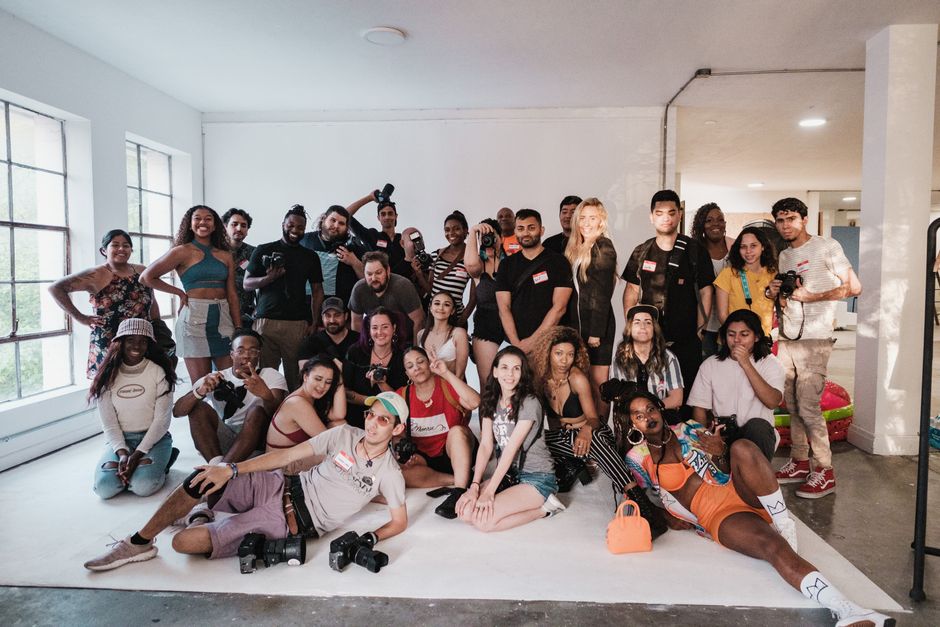
I've been following her work for about two years. She makes videos about running a small creative business, and she's unusually candid about the parts that don't work. The months where revenue dropped. The client who was a nightmare. The project she was proud of that nobody cared about. She doesn't frame these as lessons. She just reports them, like a journalist covering her own life.
Why Honesty Scales
There's a counterintuitive thing that happens when you're genuinely honest online: people trust you more, not less. This seems obvious when you say it out loud, but it runs against most of what the content industry teaches. The industry teaches you to project confidence, to show the wins, to maintain the brand. The brand is a performance of competence.
What she figured out — probably by accident — is that the performance of competence is exhausting to watch. It's also exhausting to maintain. When she stopped performing and started reporting, her audience grew. Not because people love failure. Because people recognize truth, and truth is rare enough online that it stands out.
The calitoy.org blog has been thinking about this in the context of creative collectives — what makes a community actually function versus what makes it look like it's functioning. The honest creator is building a real community. The polished one is building an audience. Those are different things.
The Specific Things She Does
She publishes her revenue numbers. Not to brag — the numbers are modest — but because she thinks transparency about money is one of the most useful things a small creator can offer. She's right. The mythology around creative income is so distorted that even rough real numbers are clarifying.
She talks about the emotional labor of the work. Not in a therapy-speak way. In a "this week was genuinely hard and here's why" way. She doesn't resolve it neatly. She doesn't end with a lesson. Sometimes she ends with "I don't know what to do about this yet."
She responds to comments in a way that feels like she's actually reading them. Because she is. Brushedpast.com wrote something about the difference between presence and performance in creative work — the same distinction applies here. She's present. You can feel it.

What This Means for Anyone Building Something
You don't have to be a mess to be honest. Honesty isn't the same as oversharing. It's more like: don't pretend the thing is easier than it is. Don't pretend you have it figured out when you don't. Don't perform confidence you don't feel.
The audience for honest work is real and it's loyal. It's also smaller than the audience for aspirational content, at least at first. But it compounds differently. People who trust you stay. People who follow you for the highlight reel leave when the reel gets boring.
She's not famous in the way that word usually means. She has a few hundred thousand followers across platforms. But her community — the people who actually engage, who buy what she makes, who show up — is disproportionately large relative to her numbers. Risentoday.com has been writing about the difference between reach and depth, which is exactly this. And calitoywares.com has been thinking about what it means to make things for people who actually want them, rather than people you're trying to convince.
The creator who got famous for being too honest wasn't too honest. She was exactly honest enough. The rest of the internet just set the bar very low.