the best creative collective I've ever been part of started because everyone in it was annoyed about the same thing. not inspired by the same thing. annoyed. there's a difference, and it matters.
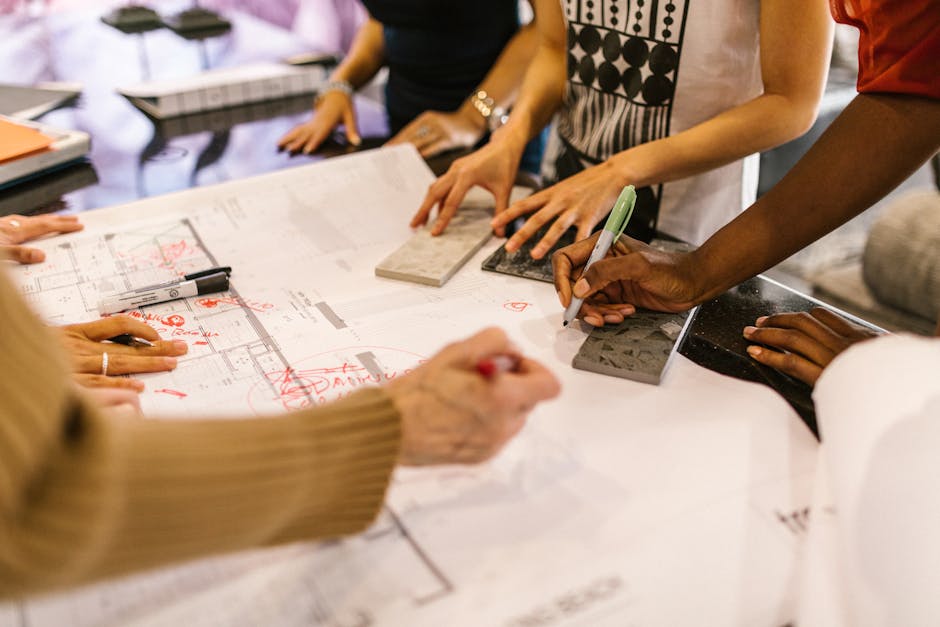
the thing we were annoyed about was a specific kind of gatekeeping in our local arts scene — the way certain venues and opportunities kept cycling through the same small group of people, and how the application processes were designed in ways that made it hard for anyone outside that group to break in. we complained about it in a group chat for about three months before someone said "okay but what if we just did our own thing."
Complaint as Clarity
shared frustration is underrated as a founding energy. it's specific. it tells you exactly what you don't want, which is often more useful than a vague sense of what you do want. the way creative communities form around shared values — and sometimes those values are defined negatively first. we knew what we were against before we knew what we were for.
what we were against: exclusivity, opacity, the same ten people deciding what counted as good. what we were for took longer to articulate. it emerged from the work we started doing together, not from a mission statement we wrote in advance.
The Accidental Structure
we didn't plan to be a collective. we planned to do one show together. then another. then someone suggested we needed a name. then someone else suggested we needed a shared email address. how informal groups become formal ones is usually gradual and slightly awkward — you're building the plane while flying it, and at some point you realize you've been flying for a while.
the structure we ended up with was minimal by design. no hierarchy. rotating responsibilities. decisions by consensus for anything that affected everyone, individual autonomy for anything that didn't. it worked because we were small enough that it could work. I'm not sure it would scale.
What Complaint Can't Build
here's the thing about starting from frustration: it's great fuel for getting started, but it burns out. once you've built the alternative you wanted, the original complaint loses its energy. you have to find something to be for, not just against.
we found it eventually. it took about a year. the evolution of a creative community's identity is a real process — you don't know what you are until you've been doing it long enough to look back and see the pattern. we looked back and saw that what we'd built was a space where people could try things that might fail without it being a big deal. that turned out to be the thing we were for all along. we just had to build it to find out.