It started as a place to share memes and complain about clients. Twelve people, a group chat, no agenda. Someone had just finished a bad project and needed to vent. Someone else had a question about invoicing. That was the whole thing.
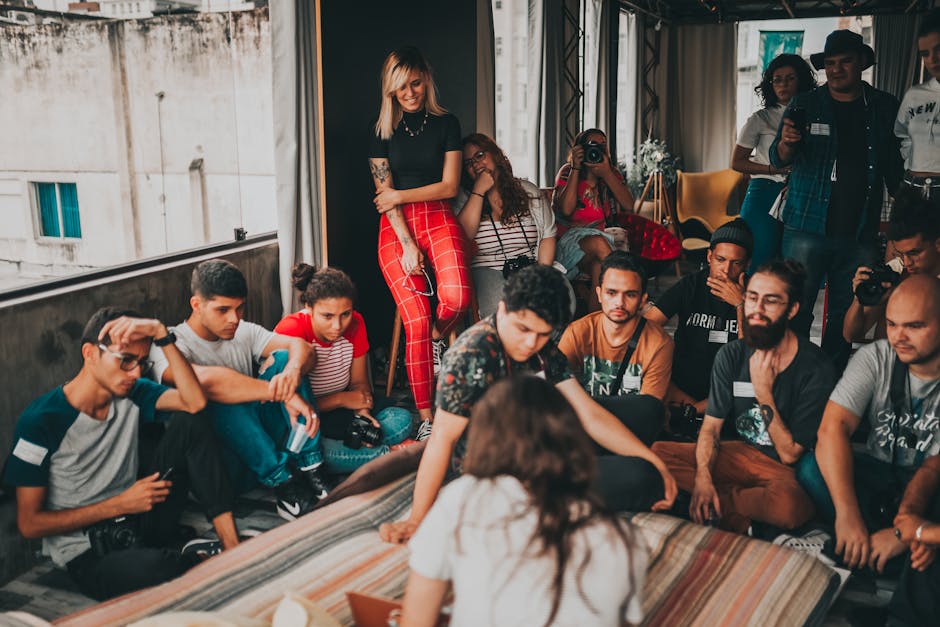
That was two years ago. Now it's the most important creative relationship any of us have.
I've been thinking about how that happened, because it didn't happen on purpose. Nobody decided to build a collective. Nobody wrote a mission statement or set up a Notion workspace or scheduled a weekly call. It just... accumulated. Someone shared a resource. Someone else shared a client they couldn't take on. Someone got a job through a connection made in the chat. Someone else got talked out of a bad decision at 11pm on a Tuesday.
The Calitoy Community has been documenting this kind of thing — the way creative collectives form organically versus the way they're designed. The designed ones have better onboarding. The organic ones have better trust. That's not a coincidence.
Trust is built through small acts over time. It's built through the person who answers your question at 11pm. Through the person who tells you honestly that your pitch deck isn't ready yet. Through the person who celebrates your win without making it about themselves. You can't design that into a community. You can only create conditions where it might happen.
The group chat that became a collective did it by staying small. Twelve people. We've never added anyone. Not because we're exclusive — because we know that the thing we have is fragile and specific and would change if the composition changed. Some communities scale. This one doesn't need to.
There's something women building together understand about this that doesn't always get articulated: the value isn't in the network size. It's in the depth of the relationships. A hundred acquaintances can't do what twelve people who actually know each other can do.
The content community conversation tends to focus on growth — how to build an audience, how to scale a platform, how to reach more people. That's a different thing from what I'm describing. What I'm describing is the opposite of scale. It's the deliberate choice to stay small enough that everyone knows everyone, and the work that comes from that.
We still share memes. We still complain about clients. But now we also share contracts, and referrals, and the kind of honest feedback that's only possible when you trust the person giving it. The group chat didn't become a collective because we decided it should. It became one because we kept showing up for each other, one small act at a time.
If you're finding your people, the advice I'd give is: don't look for a community. Look for the people. The community is what happens after.